Window screens serve a vital purpose in our homes, allowing fresh air to circulate while keeping out insects and debris. However, many homeowners overlook their maintenance. Proper care not only extends the life of your window screens but also enhances their functionality Daniel Kielb daniel-kielb.com and appearance. This guide will walk you through effective techniques for maintaining your window and door screens, ensuring they remain in optimal condition for years to come.
Understanding Your Window Screens
Before diving into maintenance tips, it’s essential to understand the different types of window screens available. Generally, there are three main materials used: fiberglass, aluminum, and polyester. Fiberglass screens are popular for their flexibility and resistance to rust. Aluminum screens offer durability but can be prone to corrosion if not maintained properly. Polyester screens combine strength with a lightweight design but may have a shorter lifespan than other options.
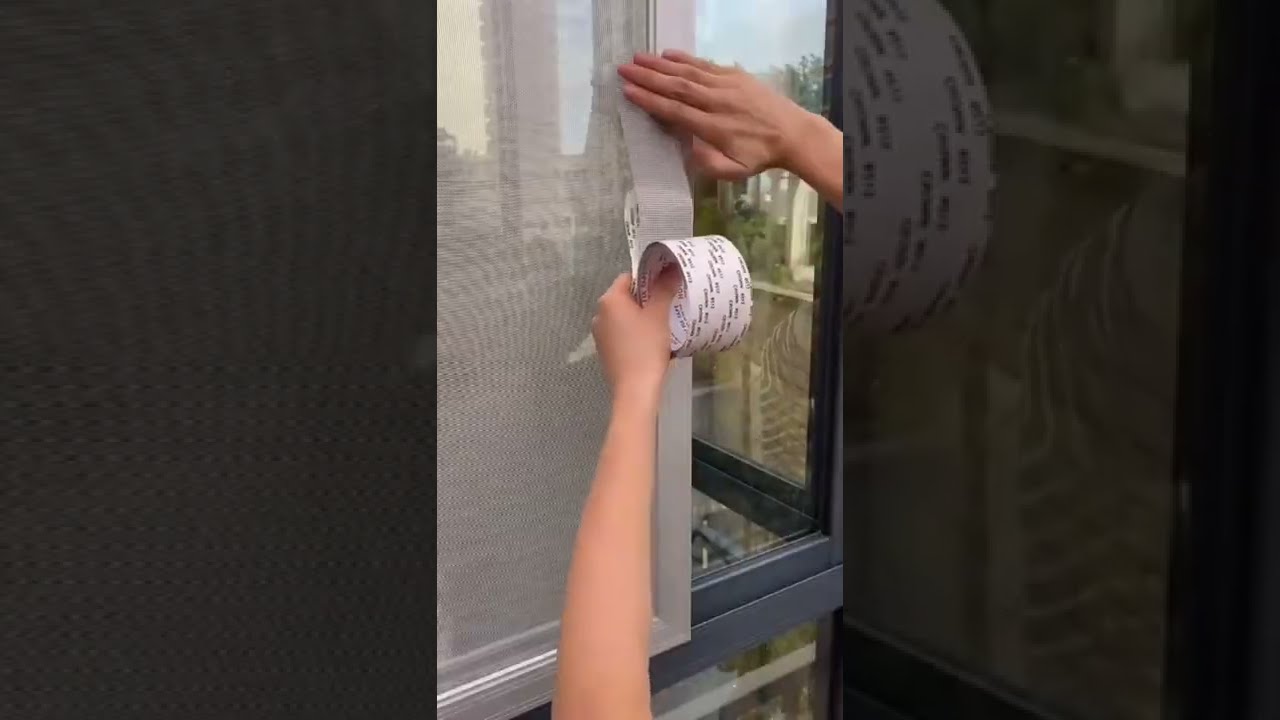
Each material has its own unique strengths and weaknesses, impacting how you should maintain them. For instance, fiberglass can be easily repaired if damaged, while aluminum may require more effort due to its rigid nature.
Regular Cleaning: The First Step
Cleaning your window screens should be part of your regular home maintenance routine. Dust, pollen, and grime can accumulate over time, obstructing airflow and diminishing the screen's effectiveness.
To clean your screens effectively:
Remove the Screens: Start by gently taking down the screens from their frames. Most screens can be removed by lifting them out of their tracks. Dust Off Debris: Use a soft brush or a vacuum with a nozzle attachment to remove loose dust and dirt. Be gentle to avoid damaging the screen material. Wash with Soap and Water: Prepare a mixture of mild soap and warm water in a bucket. Using a soft cloth or sponge, wipe down both sides of the screen gently. Rinse Thoroughly: After scrubbing, rinse each screen with clean water using a hose or in your bathtub if necessary. Dry Completely: Allow the screens to air dry completely before reattaching them to avoid any moisture buildup that could lead to mold or mildew.It’s best to clean your window screens at least twice a year – once in spring before insect season begins and again in fall after pollen levels drop.
Inspecting for Damage
Routine cleaning is essential but just as important is regularly inspecting your screens for damage. Look for signs such as small tears, holes, or bent frames that could compromise their integrity.
When inspecting:
- Check the screen material closely for any visible tears or punctures. Ensure the frame is straight without any bending or rust spots. Look at the corners where the screen meets the frame; these areas often experience wear.
If you find minor damage like small tears in fiberglass screens, repairs can be relatively straightforward using patch kits specifically designed for this purpose. For more significant issues like large rips or broken frames on aluminum screens, replacing sections may be necessary.
Repairing Window Screens
Sometimes repairs are unavoidable in maintaining your window screens’ functionality. Knowing how to handle basic repairs can save you money on professional services while extending the life of your windows’ protective barriers.
Basic Repair Techniques
For fiberglass or polyester mesh:
Patch Small Holes: Use adhesive patches that match your screen type or cut a piece from spare mesh material larger than the hole—then adhere it over the damaged area. Replace Sections: If damage is extensive, consider replacing just that section of mesh rather than the entire frame—this requires removing staples or tacks holding it in place.For aluminum frames:
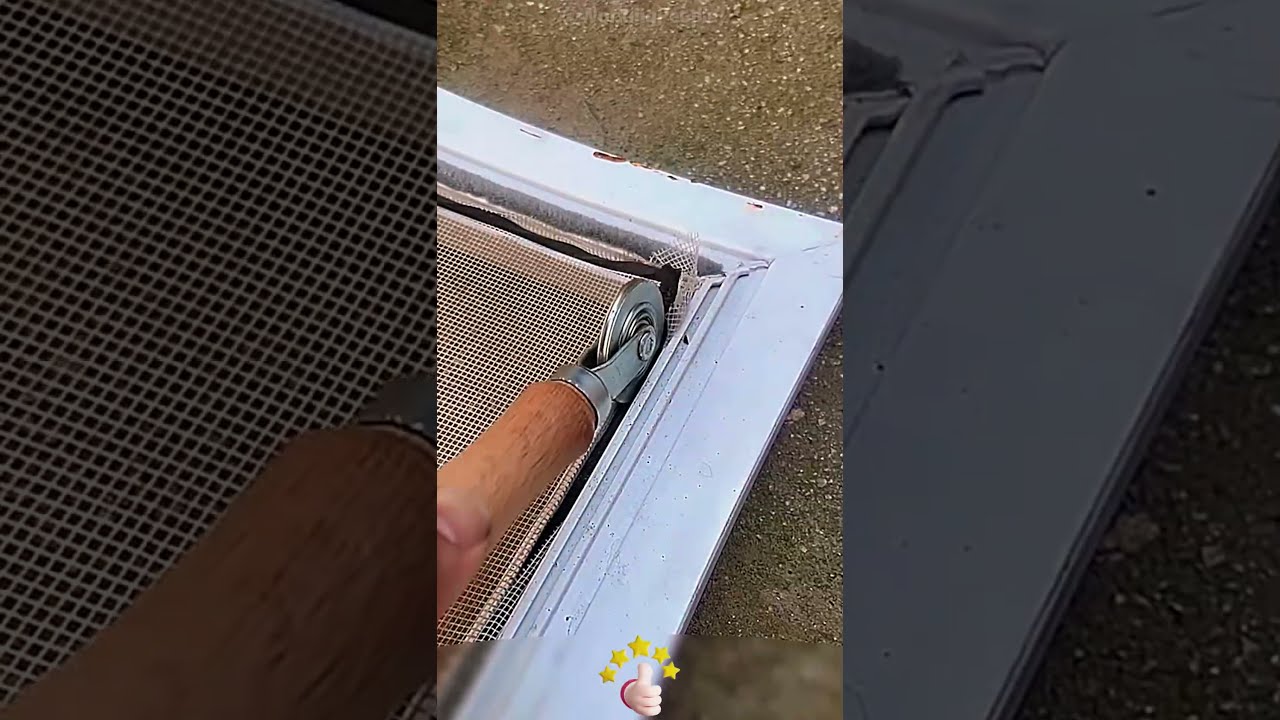
Straighten Bent Frames: Gently bend back any warped areas using pliers; however, proceed cautiously as excessive force may cause further damage. Re-Screening: If major repairs are needed, take out old screening material entirely and replace it with new mesh stretched tightly across the frame before securing it with spline (the rubber material that holds the mesh in).These repair techniques not only enhance longevity but also Daniel Kielb Window Screen Repair ensure that your windows continue functioning as intended without compromising aesthetics.
Seasonal Maintenance Considerations
Seasonal changes bring various challenges that impact window screen maintenance significantly:
Spring
As winter fades away and insects return, this is an ideal time for thorough cleaning alongside inspections for any winter-related wear.
Summer
During hotter months when windows are frequently opened for ventilation, heightened attention should be given to checking for tears caused by increased use or exposure to elements like wind-driven debris.
Fall
With falling leaves contributing additional dirt and potential blockages within frames themselves – thorough cleaning becomes critical again before sealing windows against winter weather conditions arrives.
Winter
While snow accumulation generally does not directly affect most types of window screens unless they are covered entirely – periodic checks ensure no moisture trapped within deteriorates materials during freezing conditions.
Enhancing Screen Longevity Through Storage Options
Proper storage is crucial when seasons change drastically; incorrect handling can lead directly into unnecessary damages requiring repairs later on down line:
Store Indoors When Not in Use: During harsh weather seasons (especially winter), consider removing all removable screens from windows so they do not suffer from excess weight from ice/snow build-up. Use Protective Cases: If space allows it – keeping removed panels in padded protective cases helps shield against scratches/dents when tucked away until needed again later on!Taking these precautions makes all difference between needing frequent replacements versus enjoying long-lasting products year after year!
Upgrading Your Screens
If you find yourself frequently repairing or replacing parts of existing window screens due to age-related deterioration—consider upgrading them instead! Newer models come equipped with advanced features designed specifically enhance durability while improving airflow efficiency too!
Look into options such as retractable insect screens which conveniently roll up when not being used yet provide full protection upon deployment; these modern solutions reduce hassle involved traditional fixed installations typically require upkeep-wise!
Investing slightly more upfront saves considerable trouble down road by eliminating need constantly mending worn-out structures leaving less time spent working those irritating bug problems away!
Conclusion
Maintaining window screens might seem like an overlooked task amidst other household responsibilities—but dedicating time towards proper care ensures maximized longevity alongside enhanced performance benefits too! By following effective cleaning strategies coupled with diligent inspections plus knowing how tackle minor repairs independently—homeowners gain confidence knowing they’re doing everything possible preserve quality living spaces free of pests unwanted visitors!